
Clothes are a form of visual communication. Before we speak, what we wear has already set a tone, formed an impression and created a presence. Dressing is often instinctive.
We respond to colour, texture and shape without analysing why, in this way clothing becomes a visual language we speak fluently, often without realising it.

Getting dressed is rarely about performance, some days the language is expressive and intentional, other days it is quieter. Visual language does not always need to announce itself, sometimes it simply holds space.
This is where dressing becomes creative rather than reactive. Instead of following trends or prescribed ideas of style, outfits are composed intuitively. A soft knit against structured tailoring – a layered silhouette. A familiar colour that keeps reappearing in the wardrobe without explanation. These choices are not random. Over time, they form a personal visual vocabulary.
A wardrobe evolves in much the same way an artist’s work does. Through repetition, editing and refinement. Pieces are revisited, worn differently and reinterpreted. A blouse left open one season is buttoned high the next. Dresses are layered, shapes soften. What already exists is adjusted rather than replaced.
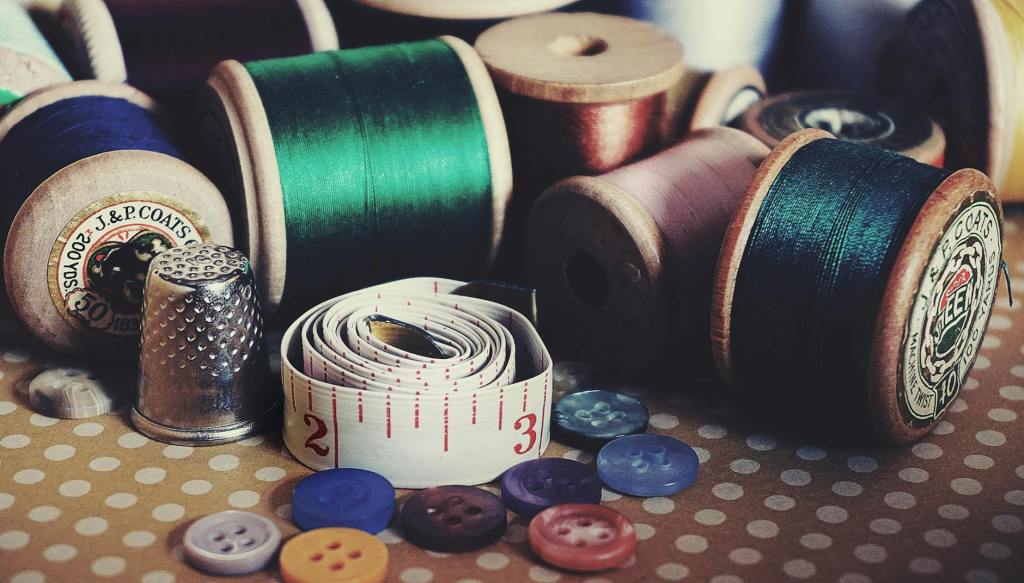
Upcycling plays a quiet role in this process, altering clothes where possible extends their life and deepens their meaning- Changing buttons, adjusting a hem or reworking how something is worn allows garments to move with you rather than be discarded. Sustainability, here, is not a statement. It is simply part of the creative cycle.
Tailoring becomes another form of authorship. When clothes are adjusted to fit the body properly they stop overpowering the wearer and start working with them. Proportion changes everything. A garment that fits well feels intentional. It feels considered.
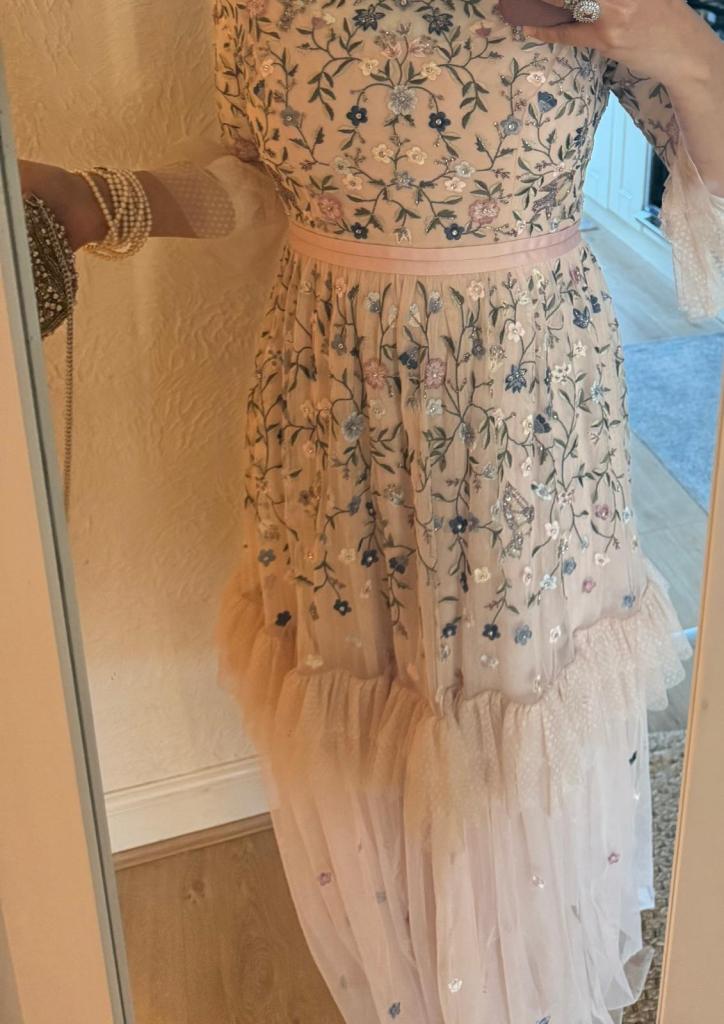
I was reminded of this recently while preparing for a wedding. I considered wearing a Needle and Thread dress I had worn years earlier but it no longer fit me in the same way and felt too long. I had even listed it for resale. Instead, I chose to have it altered. The length and shape were adjusted, and the dress felt entirely different. It fit with ease. It felt current. It felt right. I enjoyed wearing it more than I had the first time, The hassle of finding an outfit was at ease.
Visual language is not fixed. It adapts as we do.
Some days the language is composed and expressive. Other days it is pared back and practical. Hoodies, trainers, repeated silhouettes and familiar layers all communicate something too. Comfort can be intentional. Simplicity can be deliberate.
Style, in this sense is not about perfection or consistency. It is about coherence. about recognising patterns in what you are drawn to and allowing those patterns to guide you rather than override you.
When clothing is approached as visual language rather than performance, it becomes less about trends and more about translation. Less about keeping up and more about expressing something honest.
And when what you wear aligns with how you feel, the message is clear without needing to be loud.
 REFINEMODE
Have you seen the movie Iris (2014) about Iris Apfel? She’s amazing.
LikeLike