
Image rights HKDCA

Sustainability is often framed as effort.
Something to research, question and navigate carefully.
For a long time, making better choices meant reading labels, interpreting claims and trying to find clarity within a system that was never designed to offer it. In an industry built on speed that responsibility often felt misplaced.
A DPP is a digital record attached to a garment. It offers insight into where the piece were made, what materials were used and how it can be cared for, repaired, resold, or recycled. It is not about adding complexity. It’s about clarity.
Sustainability has always been a big part of my everyday life. I buy and sell clothing through platforms like Vinted, not as a statement but simply as a way of being more mindful about what I wear and how long clothes stay in circulation, because of that the idea of DPPs feels especially relevant. They support the same mindset, one where garments are valued, passed on and kept in use for as long as possible.
What makes this shift feel more real is that it is already beginning to take shape. Over the next few years, DPP will move from concept to expectation. Brands will increasingly be required to manage product information digitally, with textiles among the first categories affected. In time, this approach is expected to extend across most physical products sold within the EU.
Rather than feeling abrupt, this transition feels like a natural next step. One that reflects a broader move towards clarity, accountability, and longer-lasting value.
According to research from Bain & Company, Digital Product Passports will change how brands, consumers, and resale platforms measure value. As product lifetime value becomes more important, transparency and traceability could significantly increase the long-term worth of garments, with consumers benefiting the most. Strong secondhand markets are also expected to strengthen primary sales, particularly for brands whose products retain value over time.
Seen this way, DPPs are not simply about meeting future requirements, they offer brands an opportunity to think differently about longevity, trust and how relationships with customers are built over time.
Changing How We Relate to Our Clothes
When we understand a garment’s journey, we treat it differently. Knowing the fabric composition, the craftsmanship behind a piece and the impact of its production encourages care. Clothes become something to look after, to rewear and to value. Sustainability, then, becomes less about restriction and more about conscious ownership.
There is something grounding about that shift.
Moving Away From Disposable Fashion
DPPs quietly challenge the idea that clothing is temporary.
They support a slower, more considered wardrobe. One where garments are designed to last, repairs are encouraged and resale feels natural rather than secondary. For pre-loved clothing in particular, DPPs add credibility, traceability and trust.
A garment with a story and a record holds its value in a very real way.
Who Is Leading the Way
What feels particularly telling is that DPPs are not limited to one segment of the industry.
Early adopters span the high street and luxury.
Brands such as Nobody’s Child and Paul Smith are beginning to explore DPPs as a way to bring greater transparency to their supply chains. I noticed this recently with my #PaulSmith jumper led me to their “Path to Sustainability” page. It’s made me more aware of these small but meaningful details, the kind you start to notice once you begin paying closer attention.
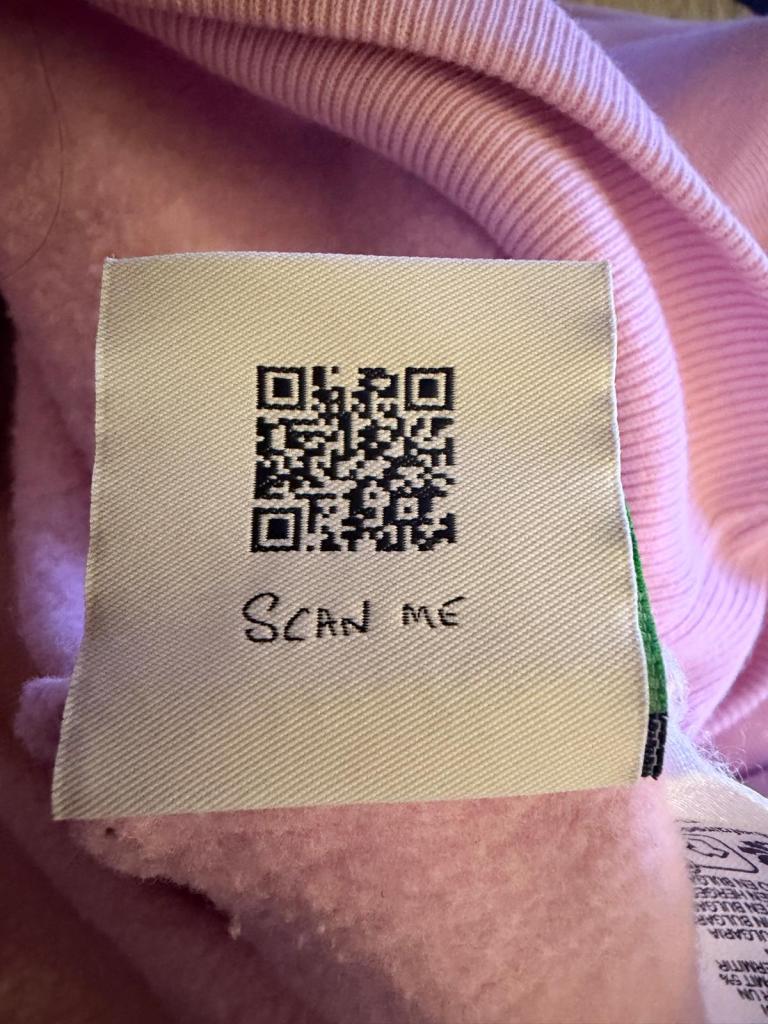
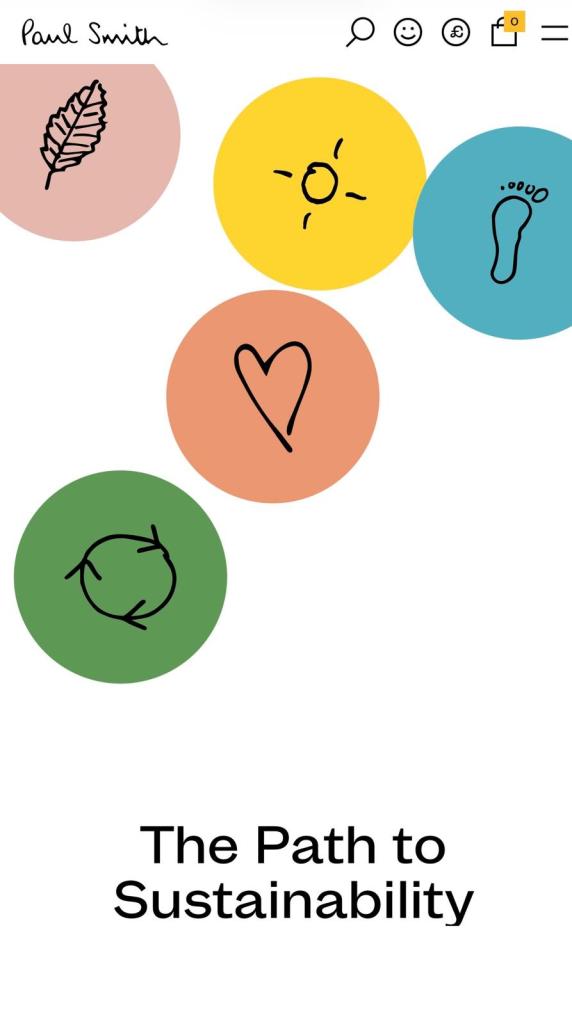
For luxury houses such as LVMH and Prada, DPPs also quietly address a long-standing reality. In a world where counterfeits exist and stories can be blurred, provenance matters. Being able to follow a product from its origin through its lifecycle helps preserve authenticity and offers reassurance. It allows customers to feel confident that what they are investing in carries a genuine story they can trust.
What stands out is not simply who is adopting DPPs, but why.
Across every level, the intention appears consistent. To design clothing that is traceable, accountable and made to last, both physically and ethically.
Simpler Sustainability for Everyday Wardrobes
What I appreciate most about DPPs is how they reduce the burden on the consumer.
Instead of asking people to research endlessly, the garment carries its own information. Care guidance, repair options and resale potential are built in from the start. Responsibility shifts back to brands to design better systems, not just better marketing.
This feels aligned with a more refined approach to dressing. Fewer impulse purchases. More considered choices. A wardrobe shaped by understanding rather than urgency.
Looking Ahead
DPPs are still emerging, but they point towards a more responsible way of creating and consuming clothing. One where transparency is standard, garments are respected, and sustainability feels accessible rather than overwhelming.
For me, this is where dressing well begins to feel meaningful again. When what we wear reflects not just style, but intention.
Sustainability is not about perfection. It is about choosing clothes with care, keeping them longer and valuing the story behind what we wear.
And perhaps, with DPPs, we are finally moving in that direction.

